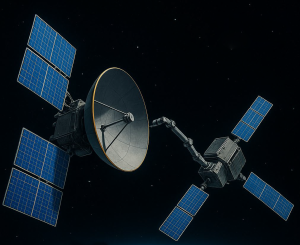
Beyond Earth: Rendezvous Proximity Operations and Docking – Concept of Operations
As space activity grows, so does the need to manage orbital debris and ensure sustainable operations. The rapid growth of satellites and the accumulation of...
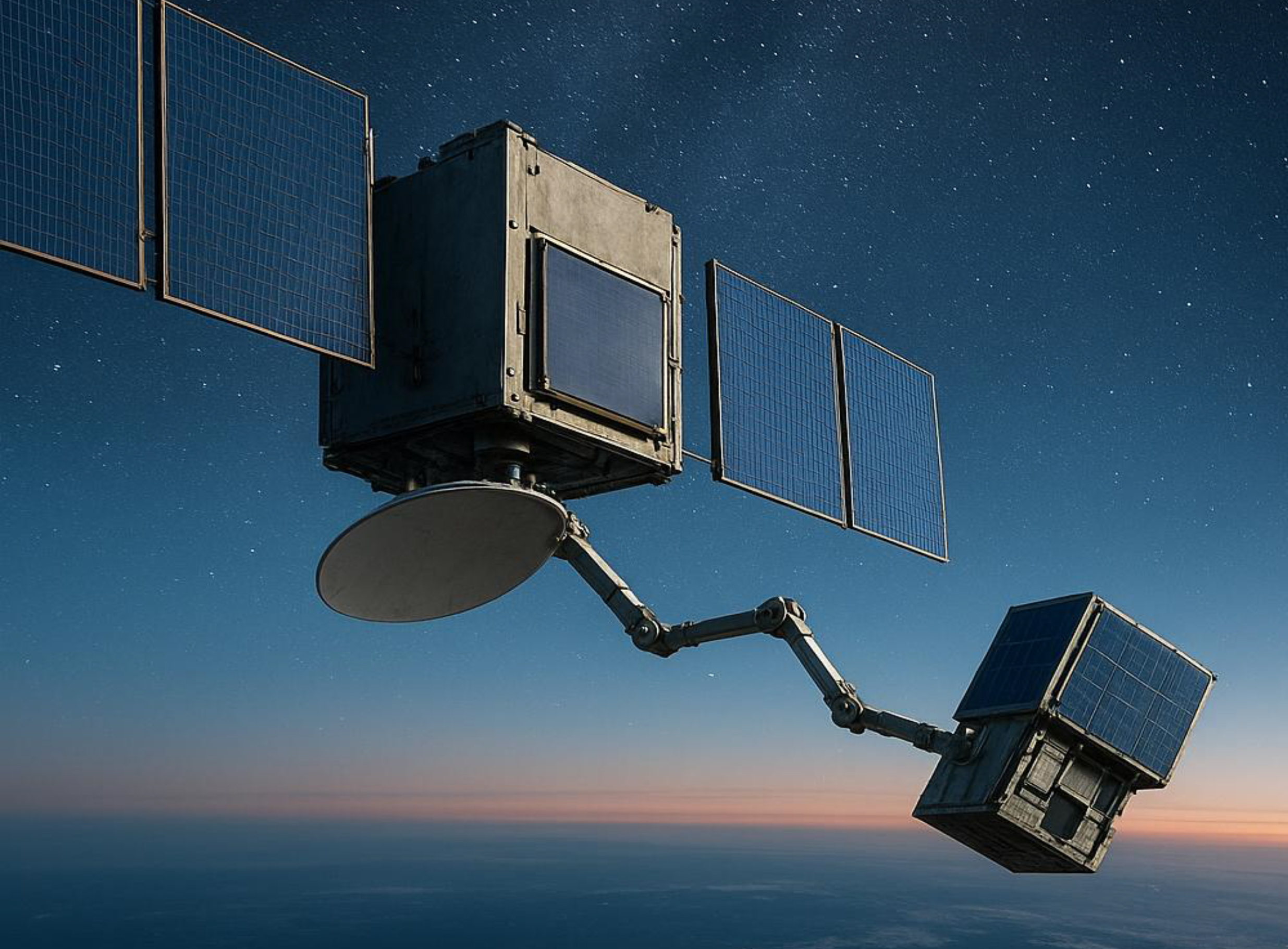
Sustainability in space is a challenge that requires practical solutions. More launches, space debris, and the environmental cost of repeated satellite replacement are forcing the sector to reconsider how spacecraft are designed, operated, and retired.
Our ‘Technical Considerations for Serviceable Spacecraft’ report explores how serviceability can address this challenge while strengthening commercial and operational outcomes. It highlights the role of modular architectures, autonomous servicing, and in-orbit capabilities in enabling satellites to be repaired, refuelled, and upgraded rather than discarded.
Drawing on real mission examples and current technology readiness, the report details the engineering, software, robotics, and standards required to make serviceable spacecraft viable at scale, and explains why designing for serviceability must now be a core consideration rather than a future option. The findings show that serviceable spacecraft can deliver long term cost efficiency, improved mission assurance, and a more sustainable orbital environment, while opening the door to new business models and capabilities across civil, commercial, and defence missions.

As space activity grows, so does the need to manage orbital debris and ensure sustainable operations. The rapid growth of satellites and the accumulation of...
‘Beyond Earth: Orbital Data Centres and In-Orbit Compute’ examines the growing pressures facing terrestrial digital infrastructure and the emerging case for relocating elements of compute...